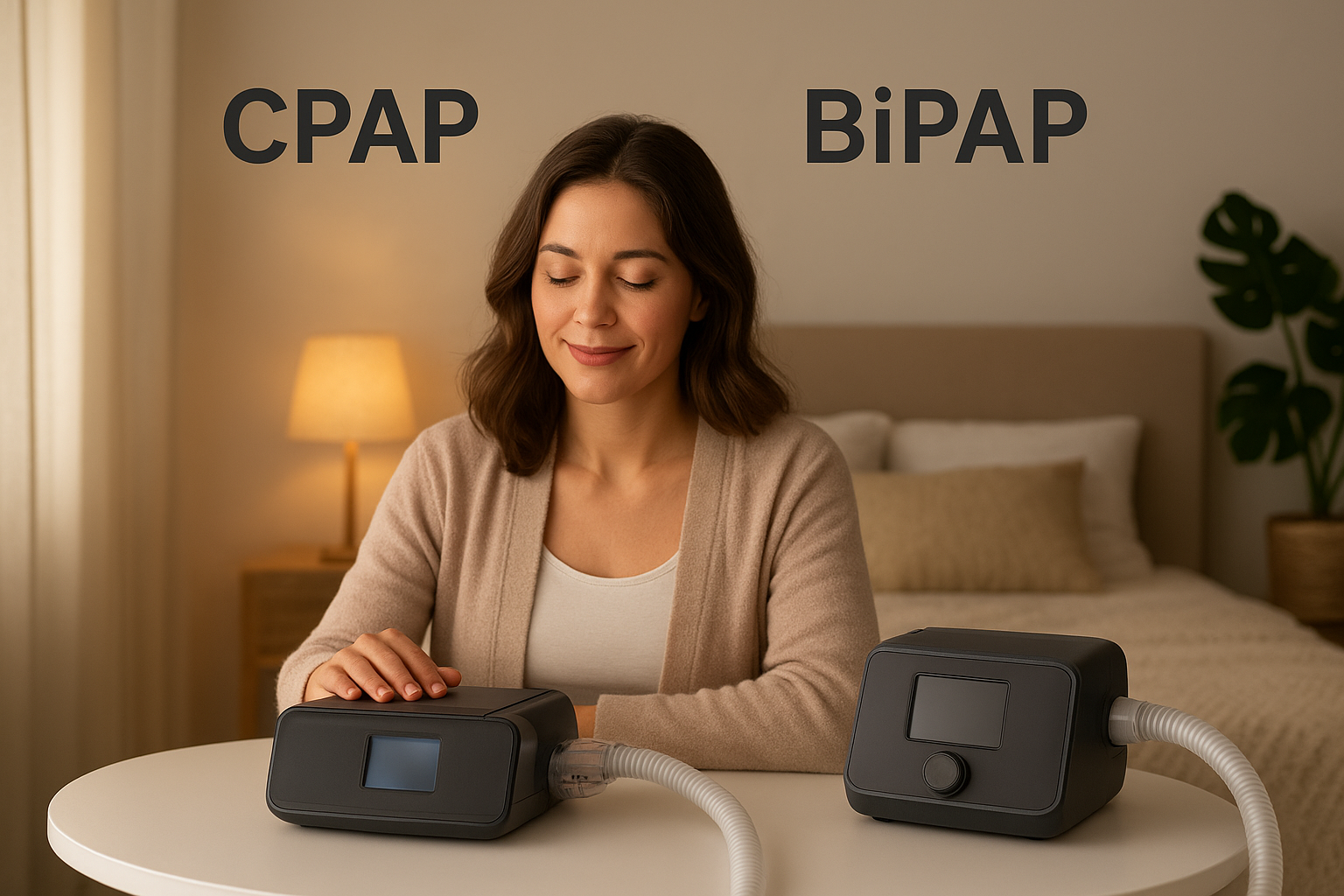
If you’ve been diagnosed with sleep apnea, your doctor may recommend a CPAP or BiPAP machine—but what’s the difference? We explain how each device works, what conditions they’re used for, and how to determine which one might be right for you (with your doctor’s guidance, of course).
CPAP vs BiPAP, sleep apnea treatment, difference between CPAP and BiPAP, respiratory DME
Understanding Sleep Apnea and Treatment Options
Sleep apnea is a common but serious condition that causes breathing interruptions during sleep. If you’ve been diagnosed with sleep apnea, your doctor might recommend a CPAP or BiPAP machine to help you breathe easier and get restful sleep. But what’s the difference between these two devices—and how do you know which one is right for you?
What Is a CPAP Machine?
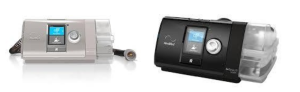
Continuous Positive Airway Pressure (CPAP) machines deliver a steady, continuous stream of pressurized air to keep your airway open while you sleep. This constant airflow prevents airway collapse, reducing apnea episodes.
Common uses:
- Obstructive sleep apnea (OSA)
- Mild to moderate cases of apnea
How it works:
The CPAP machine uses one pressure setting to maintain an open airway throughout your breathing cycle.
What Is a BiPAP Machine?
Bilevel Positive Airway Pressure (BiPAP) machines provide two levels of pressure: a higher pressure when you inhale and a lower pressure when you exhale. This makes breathing easier, especially for patients who struggle with the continuous pressure from CPAP.
Common uses:
- Complex sleep apnea
- Central sleep apnea
- Chronic obstructive pulmonary disease (COPD)
- Patients who require higher pressure settings
How it works:
BiPAP adjusts pressure during inhalation and exhalation, allowing for more natural breathing patterns.
Key Differences Between CPAP and BiPAP
| Feature | CPAP | BiPAP |
| Pressure | Constant | Two levels (inhale/exhale) |
| Typical Use Cases | Obstructive sleep apnea | Complex apnea, COPD, other needs |
| Comfort | Continuous airflow | Easier to breathe out |
| Cost | Generally less expensive | Typically more costly |
| Machine Size | Usually smaller and quieter | May be larger |
How to Choose Between CPAP and BiPAP
The choice depends on your diagnosis, breathing patterns, comfort, and physician’s recommendation. Your healthcare provider will determine which machine best suits your condition.
How Quest DME Can Help
At Quest DME, we provide a full range of respiratory equipment, including CPAP and BiPAP machines. Our specialists help you:
- Understand your options
- Verify insurance coverage
- Deliver and set up your device
- Train you on safe, effective use
Final Thoughts
Both CPAP and BiPAP machines are effective tools to improve sleep quality and overall health for patients with sleep apnea. Trust Quest DME to guide you through selecting and using the right device for your needs.
📞 Questions? Contact Quest DME today at (914) 363-0020 or visit our Contact Page for support.
Keywords: CPAP vs BiPAP, sleep apnea treatment, BiPAP machine benefits, CPAP machine uses, respiratory medical equipment